Let’s be clear.
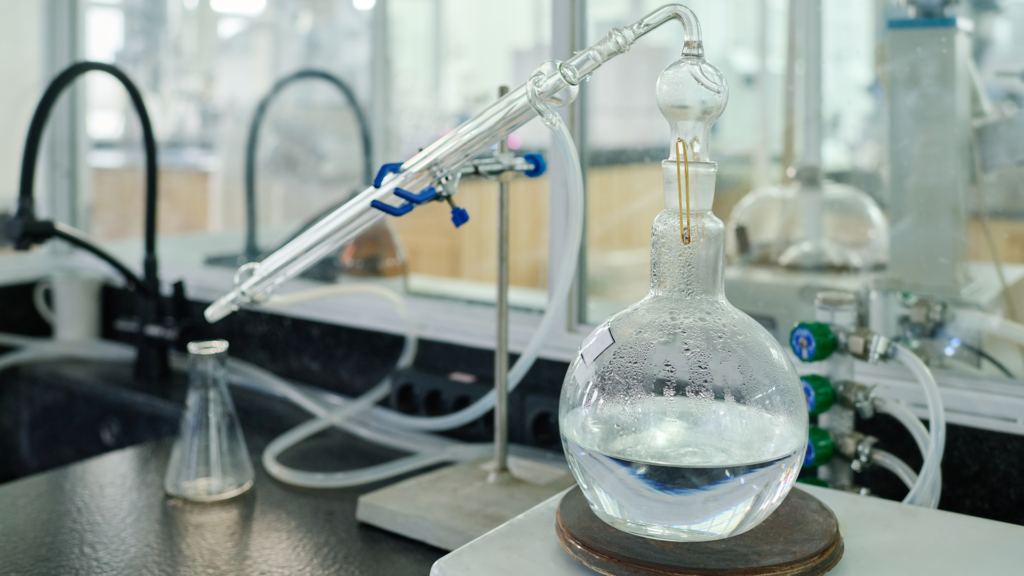
Distillation is not a secondary process. It is the core of nicotine manufacturing quality.
This is where crude material is transformed into something usable. Not just cleaner, but stable, consistent, and compliant.
High-quality distillation achieves three critical outcomes:
- Purity – Removal of unwanted compounds and contaminants
- Stability – Chemical consistency over time and across conditions
- Neutrality – Odorless and colorless output suitable for formulation
If any of these fail, the final product suffers. No amount of branding or formulation can fix poor raw material.
Why Distillation Becomes the Bottleneck
Here’s the uncomfortable truth most operators ignore:
Distillation is hard.
Not conceptually, but operationally.
It requires:
- Precision-controlled environments
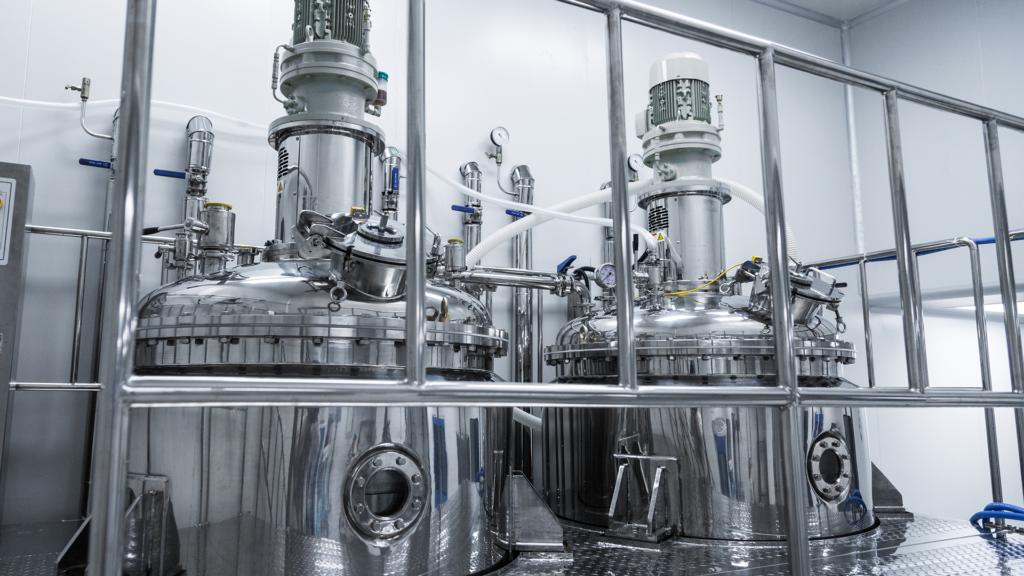
- Multi-stage purification systems
- Real-time monitoring and adjustments
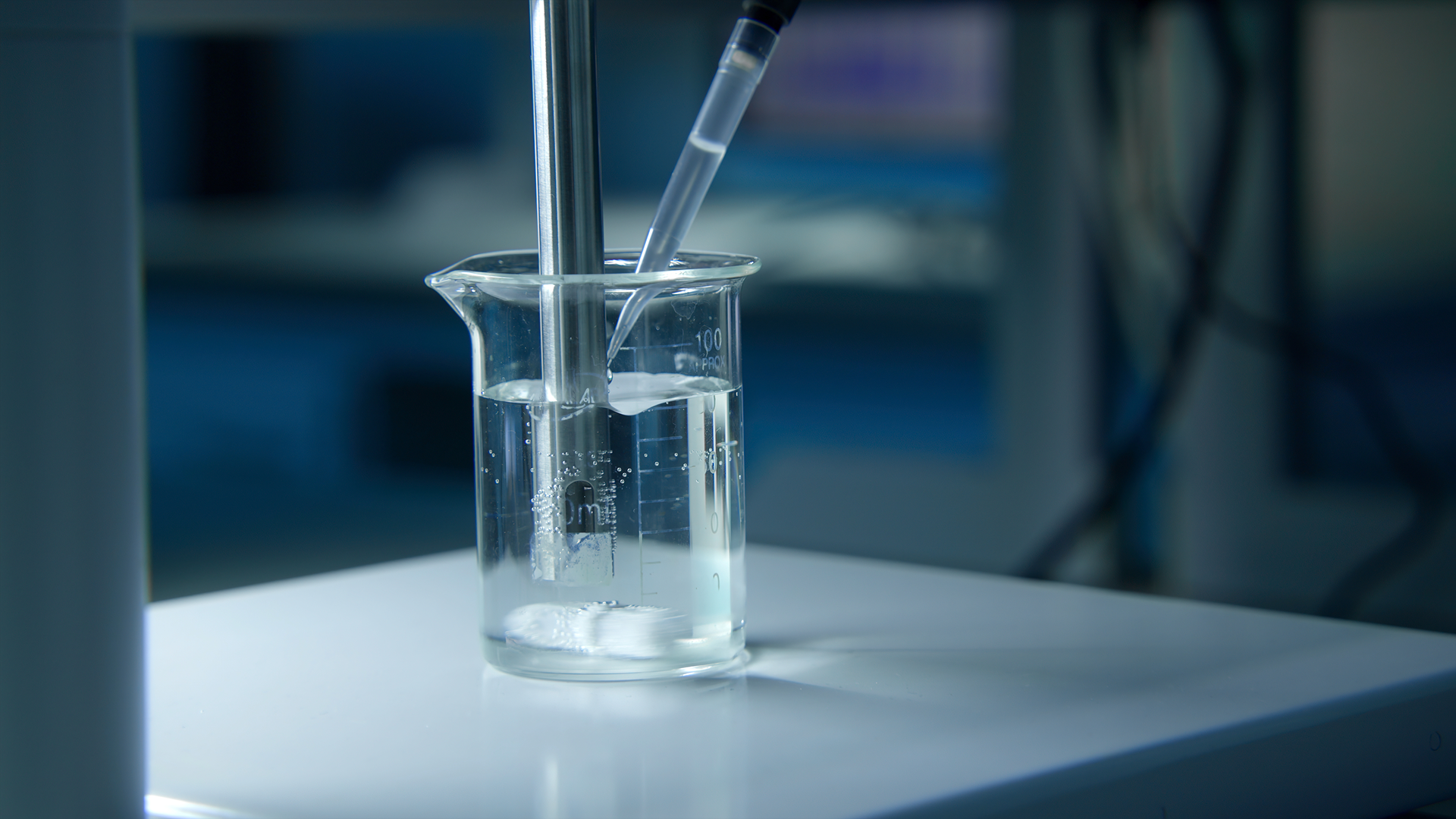
- Laboratory validation at every stage
- Skilled operators who understand the chemistry
Most facilities are not built for this level of control. They rely on simplified or outdated systems that can’t deliver consistent output at scale.
So when demand increases, distillation capacity becomes the limiting factor.
You can extract more. You just can’t refine more.
That’s the bottleneck.